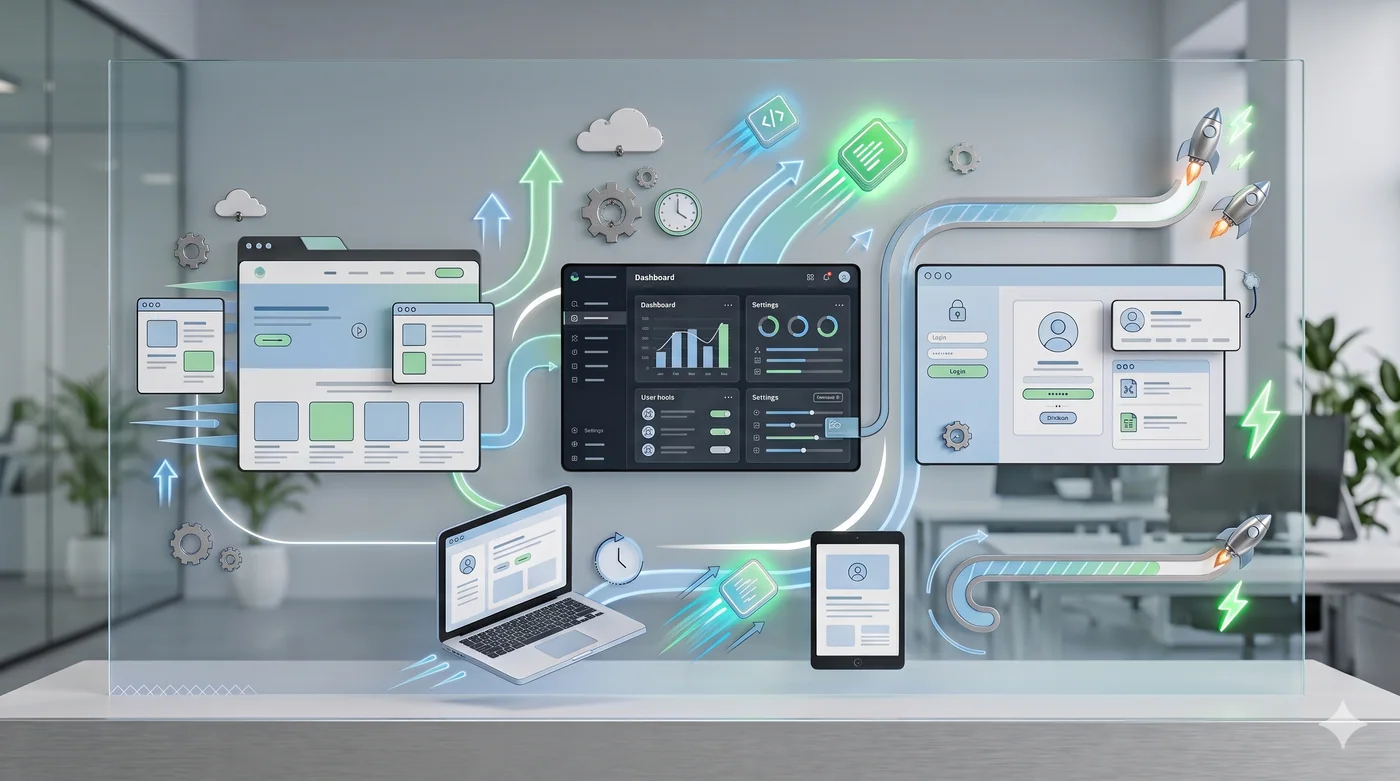
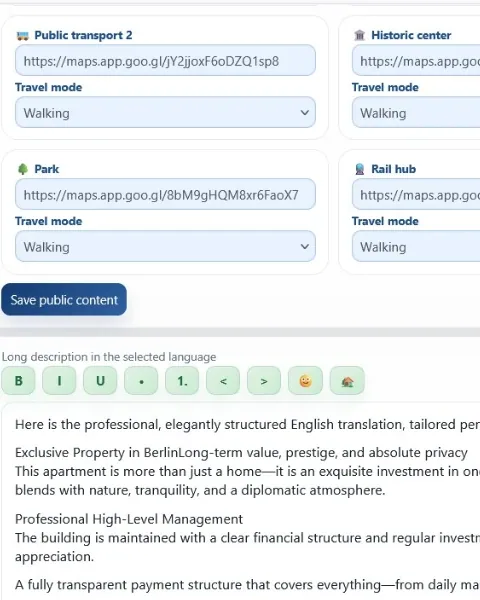
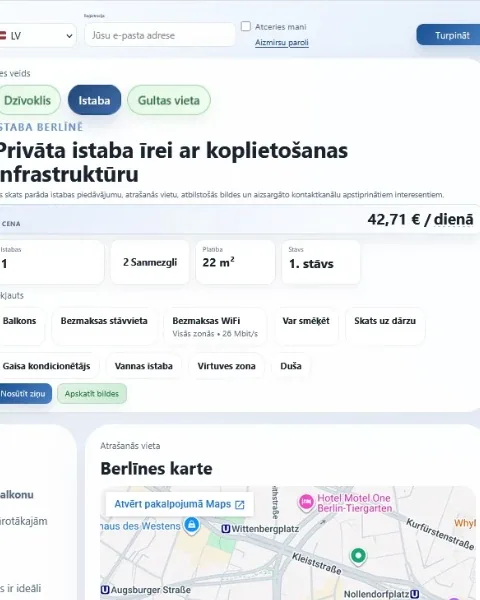
I created these projects as full-cycle digital systems, where I combined the public homepage, the client's office and the administrator's panel in one logic. My goal is to create not only a visually organized environment, but also a technically thoughtful platform, where each activity has its own place, its own data and its own security logic. That is why I always think not only about the design, but also about how the user moves through the system and how the administrator will later work with it on a daily basis.
What is important to me is that the final solution is not only beautiful from the outside, but also logically connected and manageable from the inside. This means that each section performs a specific function, data moves in an understandable way, and the whole system is ready for real use, not just for demonstration.
In addition to web systems, I also create Windows programs, such as OCR and translation solutions for images, scanned PDFs and documents, as well as separate control panels for versions, updates, releases and publishing of these programs. I work with both company projects and private orders.
TXT Scheme:
[Idea] business goal + user journey | analyst
|
v
[Structure] pages, sections, roles, content | UI/UX
|
v
[Development] code, CMS, functionality | full-stack
|
v
[Result] complete, manageable system | client / admin
Technical sequel: I further implement this basic idea with HTML, EJS, Tailwind, JavaScript, Node.js and Express. This is where UI thinking, front-end development and full-stack logic meet to turn the initial idea into a real and manageable system.
What it gives: a company or an individual gets not a simple home page, but an organized digital environment that helps to work transparently, comprehensibly and safely.
Projects I developed with JavaScript using Node.js and Express on the server side. I use EJS to display the pages, which allows me to dynamically link data with the visual part, while I use HTML for the interface structure, Tailwind CSS approach for design and layout, and again JavaScript for interactivity. It allows user and administrator to manage content and operations in real time.
For data storage I use a structured database approach, where information is divided into logical tables: users, profiles, projects, news, files, costs, design concepts and CMS content. It is important for me that the system is not just "screens", but a real connected flow of data, where each object is tied to its role and its own process.
This means that I work not only with web technologies, but also with Python and tkinter desktop programs. In such programs I can combine OCR, image and PDF processing, translation flows with a multi-service fallback chain, batch mode, a multilingual interface and control panels that manage versions, installers and signed updates.
TXT Scheme:
[Front-end] page, interface, user actions | front-end
|
v
[Back-end] logic, validation, routes | back-end
|
v
[Database] profiles, projects, files, content| DB
|
v
[Connection] everything works in one flow | full-stack
Technical continuation: I use HTML, EJS, Tailwind and JavaScript in the front-end, Node.js and Express in the back-end, and SQLite and SQL principles for data logic. Front-end, back-end, data structure and full-stack roles work together in this phase. In addition, I also work with Python, tkinter and Windows desktop logic, if the solution is not a web page, but a real user program.
What it gives: it is immediately clear what technologies are responsible for the interface, server logic, data and overall system operation.
In terms of security one of the most important principles for me is not to store passwords in public, so access is built with secure authorization logic and controlled session management. User access is organized in several steps: identity verification, password creation or verification, and only then access to the system. In addition, I introduce role access so that the client can see only his projects and his cabinet, while the administrator manages the overall system.
Projects also provide file uploading, content management and customer communication, so I implement file type control, size limits and processing logic. This means that nothing is accepted into the system without verification, and content is processed in a controlled manner to maintain both quality and system stability.
TXT Scheme:
[Access] user enters data or signs in | UI
|
v
[Control] checks, sessions, access logic | back-end
|
v
[Storage] files, profiles, content, data | DB
|
v
[Protection] everyone sees only their own part | security
Technical continuation: server-side JavaScript, Node.js validation logic, session control and SQLite data ordering work the most here. Practically, it is back-end, security logic and full-stack work at the same time.
What it gives: security is not a single module, but a part of the basic architecture of the whole project.
I use a server-side email flow with SMTP integration to send emails. It is used for user verification, system notifications, order flows and automated operations. In addition, I am building the project so that it is ready to work on a real server with reverse proxy, HTTPS layer, domain binding and secure public availability.
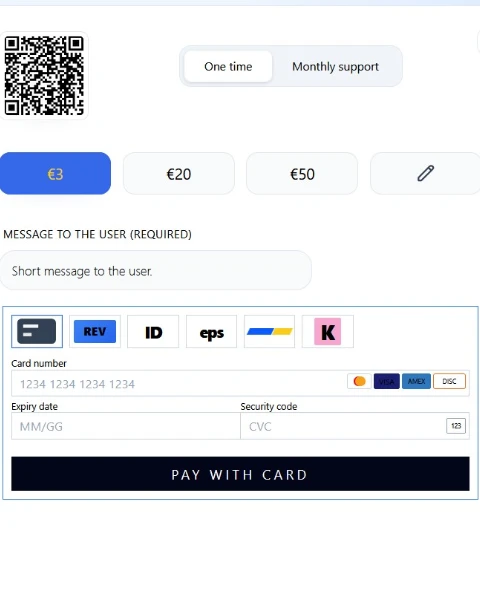
If necessary I also connect external platforms: API connections, CRM-type solutions, calendars, document flows, e-mail systems, as well as payment cards and payment platforms. This means that secure card payments, reservation payments, and automated status and notification logic can be implemented in the project.
If the solution is not just web, I can also organize program outputs: installers, portable packages, file checksums, version manifests, signed updates and publishing flow. This is useful when the program needs not only a structure, but also a manageable path to the user.
TXT Scheme:
[Public access] domain, HTTPS, website | FE / DevOps
|
v
[Server] routes, processes, stable runtime | BE / DevOps
|
v
[Integrations] email, API, payments, alerts | integrations
|
v
[Result] stable environment after launch | full-stack / admin
Technical continuation: EJS, Node.js, Express, SMTP flows, API connections, payment gateways and JSON data exchange work together in this layer. Full-stack, integration and DevOps type works meet here.
What it gives: The system is ready not only for local development, but also for safe and professional use in a real environment.
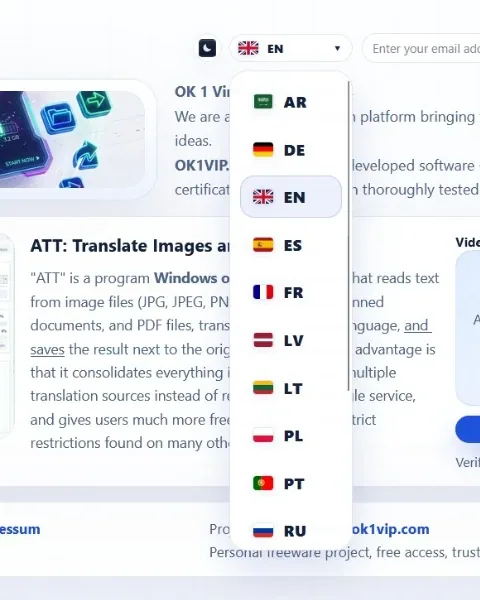
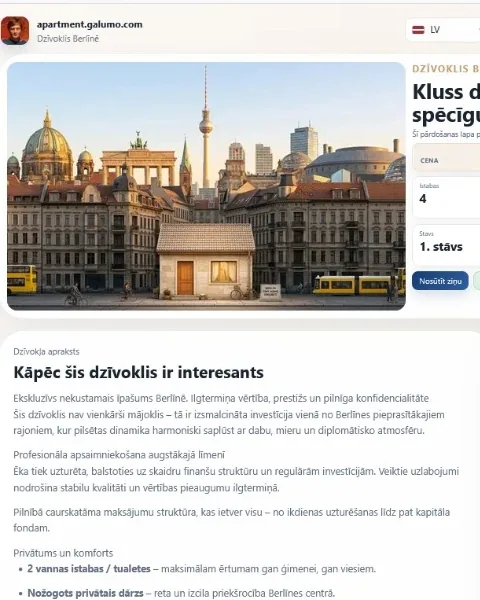
If the project needs it, I can adapt it not only for one country or one language, but also for several audiences at the same time. This means that the system can be built in multilingual mode, with thoughtful localization of content, language switching, the needs of different markets and more precise use of legal terms in each specific language.
In addition to that I can also organize the legal side: privacy pages, service provider information, terms, contact and liability sections, as well as the necessary certification or compliance preparation if the specific project requires it. Where applicable, this may also include payment terms, card settlement information and platform security explanations.
I use this approach not only in pages, but also in programs with interface language switching, multiple target translation languages, and localized user experience. This is especially important if the program works with documents, images, OCR or international clients.
TXT Scheme:
[Languages] localization, translations, markets | localization
|
v
[Legal] terms, privacy, legal structure | legal
|
v
[Payments] cards, platforms, conditions | payment / fintech
|
v
[Compliance] certification, trust, publishing | compliance
Technical sequel: localization data, legal texts, public trust signals, security pages, payment integrations and infrastructure checks work together here. Therefore, the project can be not only beautiful, but also internationally understandable, legally organized and reliable.
What it gives: a company or individual gets a solution that can be safely shown to different countries, customers and partners without losing quality, clarity or reliability.